For decades, medical research treated the male body as the default. The result? Conditions that mainly affect women - from endometriosis to hormonal and cardiovascular issues - have been under-studied, under-recognised and slow to diagnose. Spain's new investment is a welcome signal. But beyond policy, what matters for each woman is practical: knowing the conditions that are often missed, and not waiting years for answers. Here is what you should know - and how to be proactive about your own care.
📰 What Spain announced
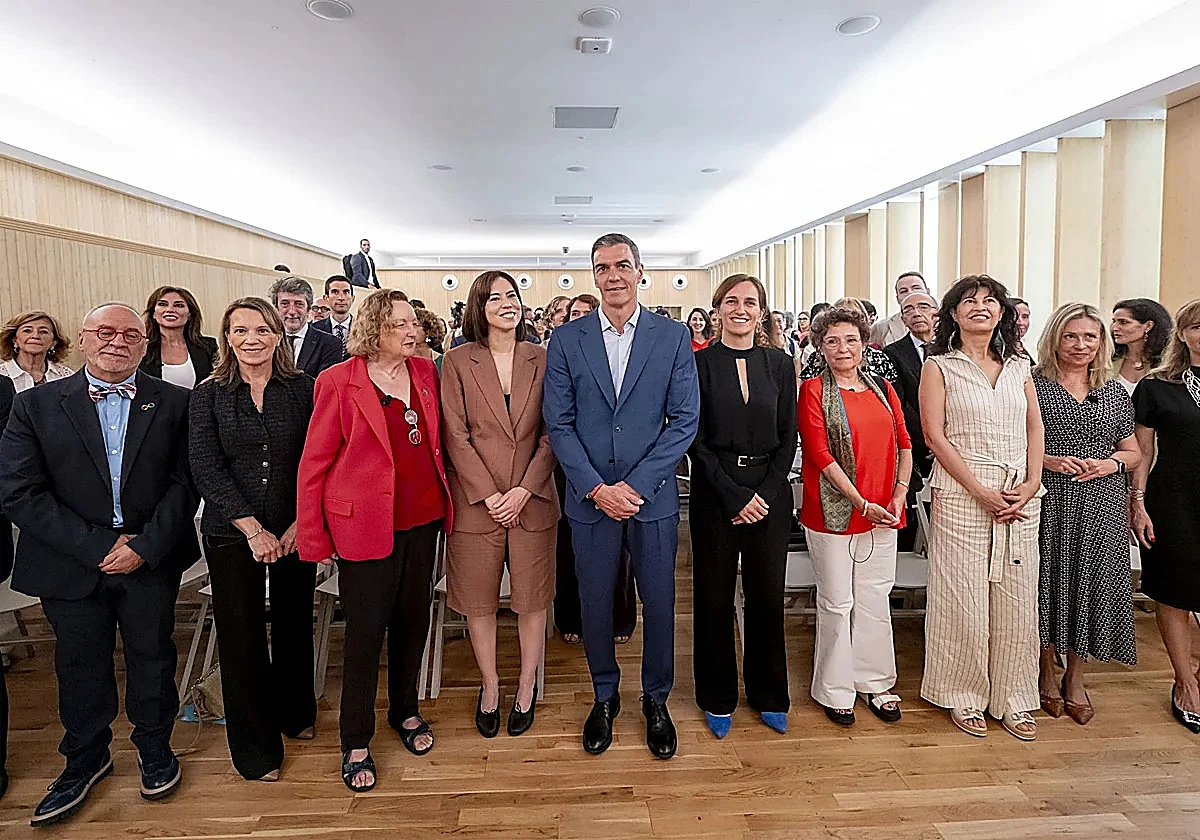
In June 2026, the Spanish government announced it would triple the public research budget specifically dedicated to women's health, reaching roughly €18 million per year, as part of a national programme aimed at ending the under-representation of women in health research. The plan supports research centres and companies, adds funding through the country's main health-research institute, and creates dedicated early-career research contracts. The government framed it as a matter of equality: science, it argued, has historically responded better to some bodies than others.
The announcement singled out endometriosis as a striking example of the problem - a common, painful condition that can take years, often around a decade, to diagnose.
⚖️ The "gender gap" in medicine
For much of medical history, research was conducted largely on men, and findings were assumed to apply equally to women. We now know that is often wrong: symptoms, drug responses and disease patterns can differ by sex. The consequences are real - delayed diagnoses, treatments less tailored to women, and conditions dismissed as "normal" pain. Closing this gap is exactly what initiatives like Spain's aim to do.
📊 Women's health conditions often missed
These are areas where, historically, diagnosis and treatment have lagged - and where being informed helps you advocate for yourself:
- Endometriosis: tissue similar to the uterine lining grows outside the uterus, causing pain and sometimes fertility problems. Frequently dismissed for years as "bad periods".
- PCOS (polycystic ovary syndrome): a common hormonal disorder affecting periods, fertility, skin and metabolism.
- Thyroid & autoimmune diseases: far more common in women, sometimes mistaken for stress or fatigue.
- Cardiovascular disease: heart attacks can present differently in women and be under-recognised.
- Menopause & hormonal imbalances: long under-discussed, with symptoms often under-treated.
- Mental health: hormonal transitions (postpartum, perimenopause) can affect mood and deserve real attention.
If any of these resonate, the takeaway is not to self-diagnose, but to raise it clearly with a doctor - and to seek a second opinion if you feel unheard.
✅ How to be proactive
- Track your symptoms (pain, cycles, energy) and bring concrete notes to appointments.
- Don't accept being dismissed. Persistent or severe symptoms deserve investigation, not "it's normal".
- Have regular check-ups - a "well-woman" review, cervical screening, and hormonal or fertility checks when relevant.
- Seek a second opinion when answers don't add up.
🇺🇸 Accessible women's health & fertility care
Timely care shouldn't depend on long waiting lists or high private fees. For international patients, Morocco offers accredited clinics and experienced specialists in gynaecology and fertility - well-woman check-ups, gynaecological consultations and IVF / fertility care - at a fraction of UK or Irish private prices, with English-speaking support. Evitalink can connect you with a partner specialist and organise your visit.
❓ FAQ
✅ Take the next step
Your health deserves timely answers. If you'd like a gynaecology or fertility assessment, Evitalink connects you with an accredited partner specialist in Morocco - confidential, English-speaking, and without long waits.
Women's health, taken seriously - free assessment
Message us via WhatsApp for a confidential gynaecology or fertility assessment with an Evitalink partner specialist in Morocco - free and with no obligation.
💬 WhatsApp +212 674 577 557 Get a free quote →This article is informational and does not replace medical advice. Sensitive topic: if you are worried about your health, please speak to a qualified professional.
Sources & references:
• Spanish government announcement on tripling women's-health R&D funding (~€18M/year), June 2026, as reported by the press (SUR in English)
• General medical references on the sex/gender gap in research and on endometriosis, PCOS, thyroid, cardiovascular and menopausal health, 2025-2026
• Evitalink.com - Medical travel to Morocco for international patients
General information only; not a personalised medical opinion. Figures attributed to the Spanish announcement are reported as published.